
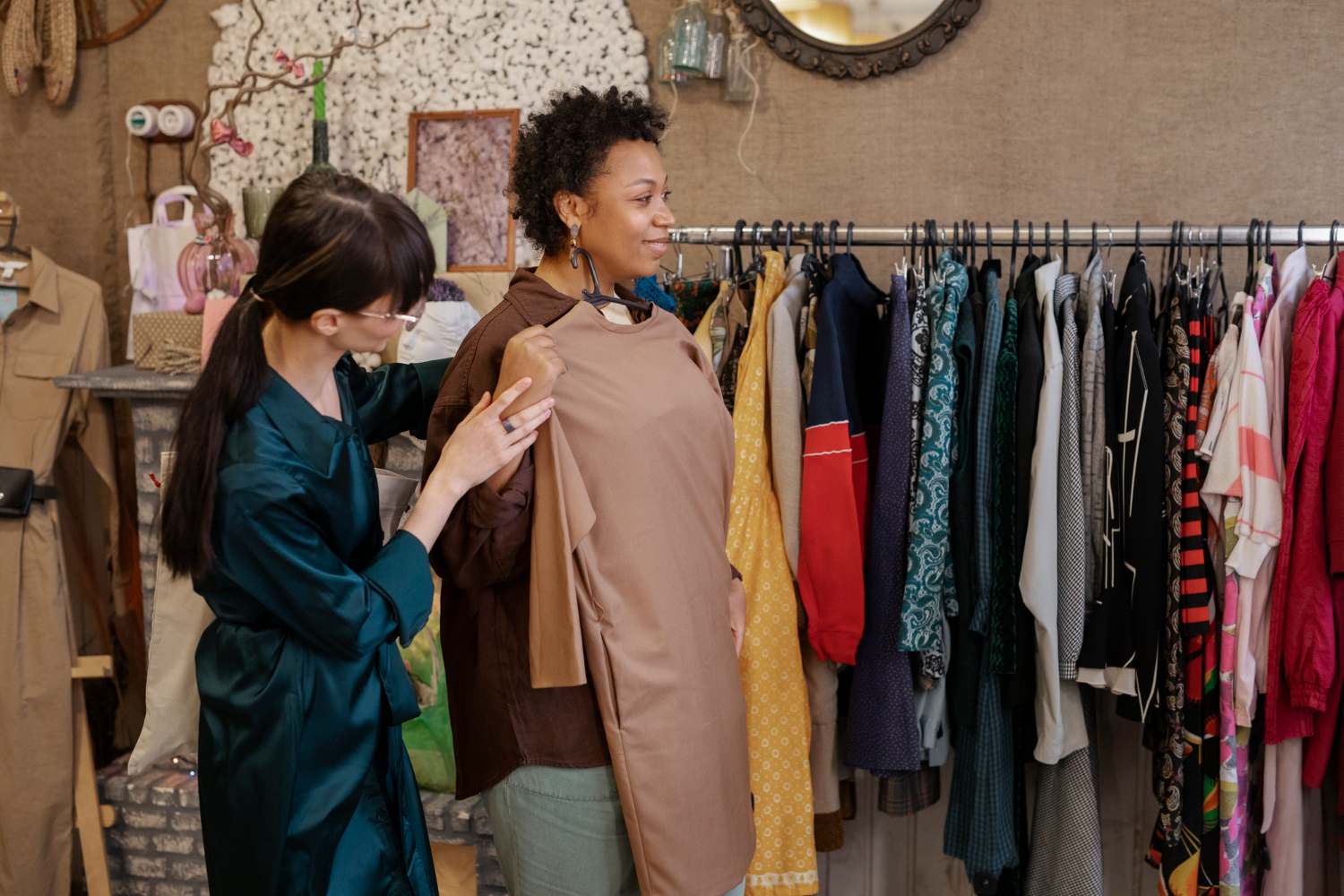
Thrift stores are full of surprises, but not every item is worth your time or money. Some pieces are well-made and built to last, while others may look good at first glance but wear out quickly. Learning how to identify high-quality items can save you frustration, help you find hidden gems, and make your thrift shopping more efficient.
1. Look for Durable Materials
The material often tells you a lot about the quality of an item.
-
Clothing: Natural fibers like cotton, wool, linen, and silk tend to last longer than cheap synthetic blends. Heavier fabrics generally hold up better over time.
-
Furniture: Solid wood and metal frames are sturdier than particleboard or thin plywood. Check for signs of real craftsmanship like dovetail joints or reinforced corners.
-
Accessories: Leather, genuine metals, and quality plastics will often feel heavier and more substantial than low-cost alternatives.
2. Inspect Construction and Stitching
How an item is put together can reveal its durability.
-
Clothing: Check seams, hems, and stitching. Even, tight stitches with no loose threads indicate better construction. Pay attention to areas under stress, like shoulders, elbows, and waistbands.
-
Furniture: Tight joints, evenly spaced screws, and smooth finishes suggest the piece was well-made. Wobbly parts or gaps are warning signs.
-
Bags and Shoes: Reinforced stitching, solid hardware, and double layers of material often indicate long-lasting quality.
3. Check Labels and Brand Names
Brand can sometimes be a clue, though it is not the only one.
-
Clothing and Accessories: Recognizable brands known for quality often used better materials and craftsmanship. Vintage labels from trusted companies may also be hidden gems.
-
Furniture: Established brands or designer labels can signal durability and style that has stood the test of time.
-
Electronics: Well-known brands are often easier to repair and have better parts availability.
4. Feel the Weight and Texture
Quality items often feel substantial.
-
Clothing: Heavier fabrics usually drape better and wear longer. Lightweight but flimsy material may stretch or tear easily.
-
Furniture: Solid furniture will feel sturdy when you move or lift it. Lightweight items may be cheaply made or prone to damage.
-
Accessories and Tools: A bit of weight can indicate metal hardware rather than plastic, adding longevity.
5. Inspect for Signs of Wear
Some wear is expected at thrift stores, but look beyond surface flaws.
-
Clothing: Small stains or minor fading can often be fixed, but rips, stretched fabric, or worn elbows indicate a shorter lifespan.
-
Furniture: Superficial scratches or scuffs can often be refinished, but cracks, loose joints, or water damage are harder to repair.
-
Electronics: Light scratches may be cosmetic, but frayed cords or missing parts could make an item unusable.
6. Trust Your Instincts
Sometimes, quality comes down to how an item feels. If it looks and feels solid, well-made, and balanced, it is usually a good find. If it feels flimsy, cheap, or poorly constructed, it may be best to leave it behind.
7. Know When to Walk Away
Even high-quality items aren’t always worth it if they are heavily damaged or beyond your budget. A good thrift shopper balances quality with practicality—focus on items that are repairable or ready to use.
Thrift stores can be treasure troves of quality pieces, but it takes a practiced eye to spot the best items. By checking materials, construction, labels, weight, and condition, you can separate lasting finds from temporary ones.
With a little patience and attention to detail, you’ll build a collection of secondhand items that look great, function well, and stand the test of time. Thrifting is not just about bargains—it’s about finding items that are genuinely worth keeping.