Hobbies can bring joy, relaxation, and creativity—but they can also become expensive. Between supplies, equipment, and lessons, costs add up quickly. One budget-friendly solution is a “thrifted hobby swap,” where you exchange skills, materials, and ideas with others instead of buying everything new. It’s a simple, social way to explore hobbies while keeping costs low.
What Is a Thrifted Hobby Swap?
A thrifted hobby swap is a gathering—physical or virtual—where people trade hobby supplies, tools, or even skills.
-
Bring items you no longer use but that are still functional
-
Offer to teach a skill you know in exchange for learning something new
-
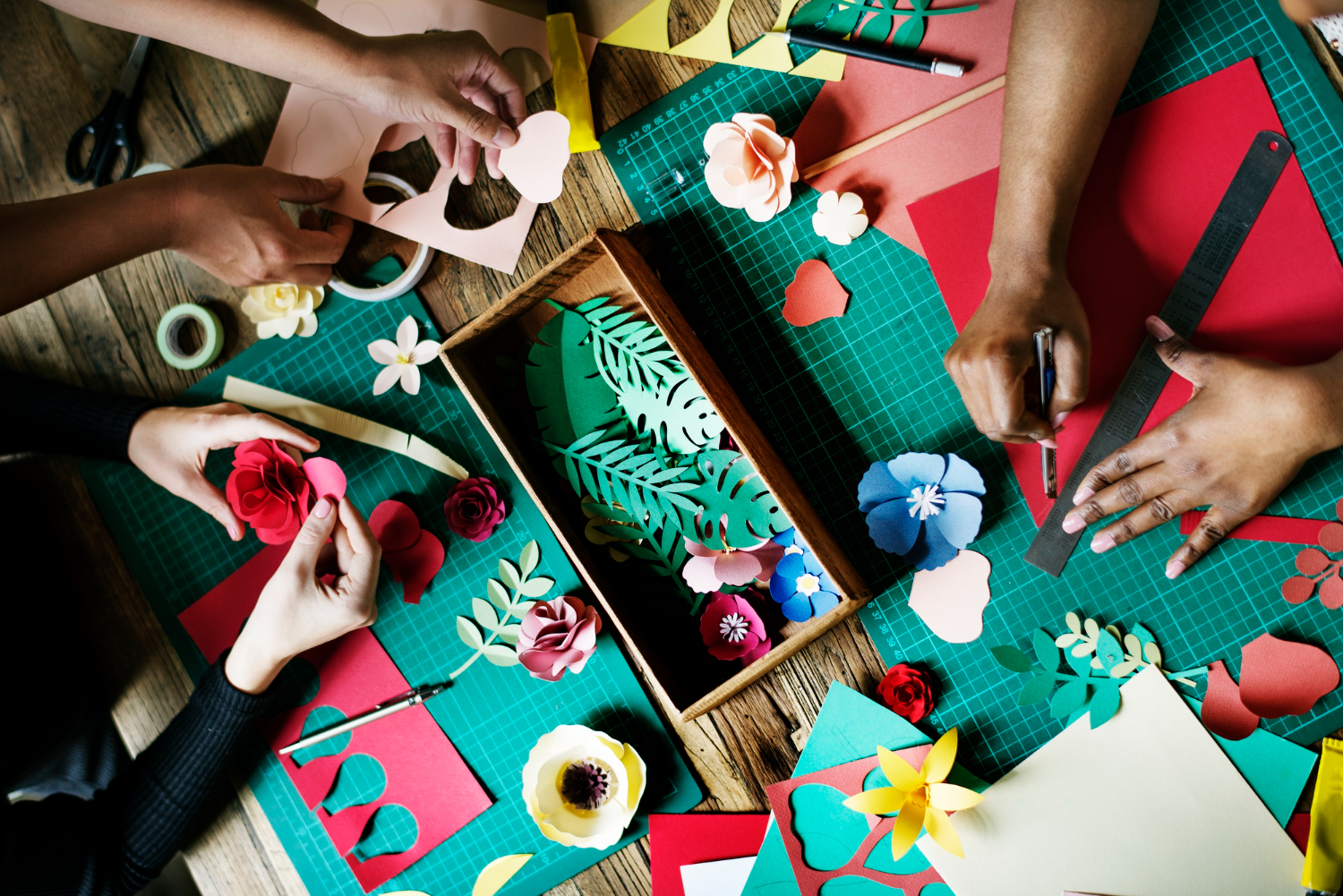
Swap books, patterns, craft materials, or small equipment
The goal is mutual benefit: everyone gains access to new hobbies or materials without spending money.
Why Hobby Swaps Work
-
Save money: No need to buy new supplies for every hobby
-
Try new activities: Discover hobbies you may not have considered
-
Build community: Connect with others who share similar interests
-
Reduce waste: Items you no longer use get a second life
It’s a fun, practical way to expand your creative horizons and save money at the same time.
Step 1: Gather Items and Skills
Start by taking inventory of what you have:
-
Craft supplies, yarn, or fabric
-
Board games, puzzles, or model kits
-
Books, music, or instructional materials
-
Skills you can teach, like knitting, painting, coding, or photography
Be honest about items you no longer need and skills you feel confident sharing.
Step 2: Find a Swap Group
Connect with others in your community or online:
-
Community centers, libraries, or local clubs often host swap events
-
Social media groups and neighborhood apps like Nextdoor can help organize swaps
-
Friends, family, or coworkers may be interested in a smaller-scale exchange
A well-organized group ensures everyone benefits and the swap runs smoothly.
Step 3: Set Guidelines
Clear rules make swaps fair and stress-free:
-
Define what’s acceptable to bring or trade
-
Decide if swaps are one-to-one, open exchanges, or skill-based sessions
-
Establish a respectful environment for teaching and learning
Guidelines help avoid confusion and keep the focus on enjoyment and collaboration.
Step 4: Plan a Swap Event
A successful swap can be simple:
-
Host at a home, library, or community center
-
Lay out items for browsing and create a system for claiming trades
-
Schedule skill sessions where participants can teach or demo hobbies
Even a small group can create a meaningful exchange experience.
Step 5: Make It Ongoing
Turn a one-time swap into a regular habit:
-
Schedule monthly or quarterly swaps
-
Rotate themes—crafts, games, gardening, music, or DIY projects
-
Encourage participants to invite new people to keep the exchange fresh
Regular swaps build community, expand your skills, and keep costs low.
Step 6: Embrace Creativity and Learning
The biggest benefit of hobby swaps isn’t just the items—it’s the inspiration:
-
Learn techniques you might never try on your own
-
Discover new hobbies without financial risk
-
Collaborate and share tips with people who have different experiences
The social and educational value often outweighs the material exchange.
Thrifted hobby swaps turn old supplies and existing skills into new opportunities for creativity, learning, and fun. By participating, you save money, reduce waste, and expand your hobbies in ways that buying new items alone can’t provide.
Whether it’s crafts, music, games, or DIY projects, swapping encourages collaboration and builds a supportive community around shared interests. It’s proof that enjoying hobbies doesn’t have to be expensive—just thoughtful, social, and creative.