
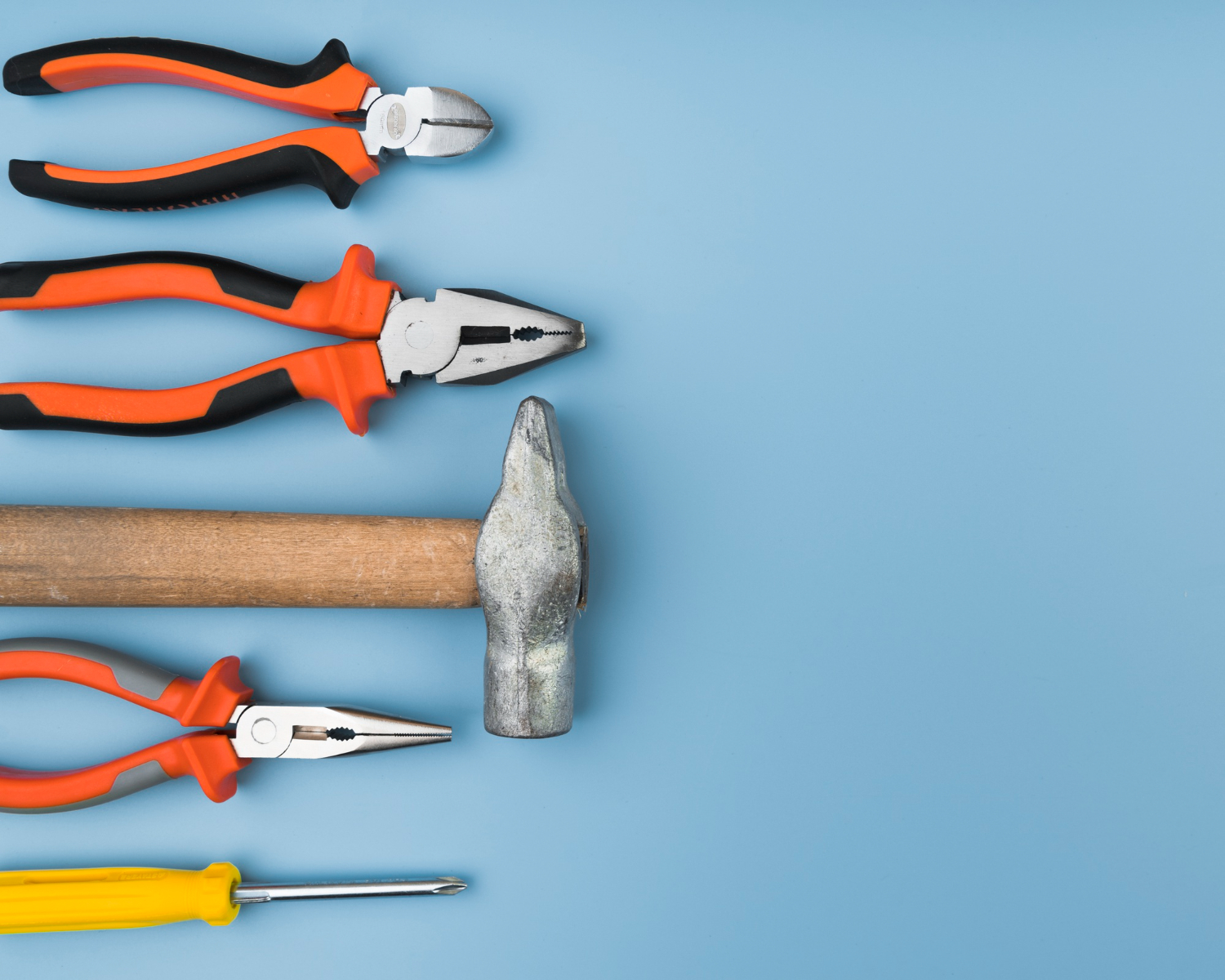
Starting a basic toolkit can feel overwhelming. Walk into any hardware store and you are met with endless options, specialized tools, and sets that promise more than you will probably ever use. The truth is, you do not need a massive collection to handle everyday home repairs.
A small, well chosen set of tools can take care of most common fixes. Think loose screws, small repairs, hanging items, and quick adjustments. Once you have the essentials, you can build from there if needed.
The Core Tools Everyone Should Have
These are the basics. With just these tools, you can handle a wide range of simple tasks around the house.
Hammer
A hammer is useful for driving nails, removing them, and even light demolition if needed. Look for one with a comfortable grip and a claw on the back for pulling nails.
Screwdriver Set
You will need both flathead and Phillips screwdrivers in a few sizes. These handle everything from tightening cabinet hardware to assembling furniture.
If you want to keep things simple, a multi bit screwdriver is a great option. It saves space and covers most common screw types.
Tape Measure
A tape measure helps you get accurate dimensions when hanging pictures, buying furniture, or planning small projects. A 16 or 25 foot tape measure works well for most homes.
Adjustable Wrench
This tool allows you to tighten or loosen nuts and bolts of different sizes. It is especially useful for plumbing fixes or assembling items with metal fasteners.
Pliers
A basic pair of pliers helps with gripping, twisting, and pulling. Needle nose pliers are especially useful for reaching into tight spaces.
Tools for Everyday Repairs
Once you have the basics, a few additional tools will make common tasks much easier.
Utility Knife
Perfect for opening boxes, cutting materials, or trimming edges. Keep the blade sharp and retract it when not in use.
Level
A level ensures that shelves, frames, and other items are straight. Even a small one can make a big difference in how things look.
Allen Wrenches
Also known as hex keys, these are often used for assembling furniture. Many products include them, but having your own set is convenient.
Stud Finder
This tool helps locate studs behind your walls so you can safely hang heavier items. It reduces the risk of damaging drywall or missing support.
A Few Extras Worth Having
These are not absolutely essential, but they are helpful to keep around.
Flashlight
A reliable flashlight comes in handy for power outages or working in dark spaces like under sinks or inside cabinets.
Duct Tape
Useful for quick fixes, temporary repairs, and holding things in place until you can make a proper repair.
Small Tool Box
Keeping everything in one place saves time and frustration. A simple box or bag will do the job.
How to Choose Quality Tools
You do not need the most expensive tools, but avoid the cheapest options that may break or wear out quickly. Look for tools that feel solid and comfortable in your hand.
It is better to buy a few reliable tools than a large set you will rarely use.
A good starter toolkit is not about having everything. It is about having the right tools for everyday situations. With just a handful of essentials, you can handle most small repairs and projects with confidence.
As you gain experience, you will naturally learn what additional tools make sense for your needs. Until then, this simple toolkit will cover more than you might expect and help you take care of your home without unnecessary hassle.