
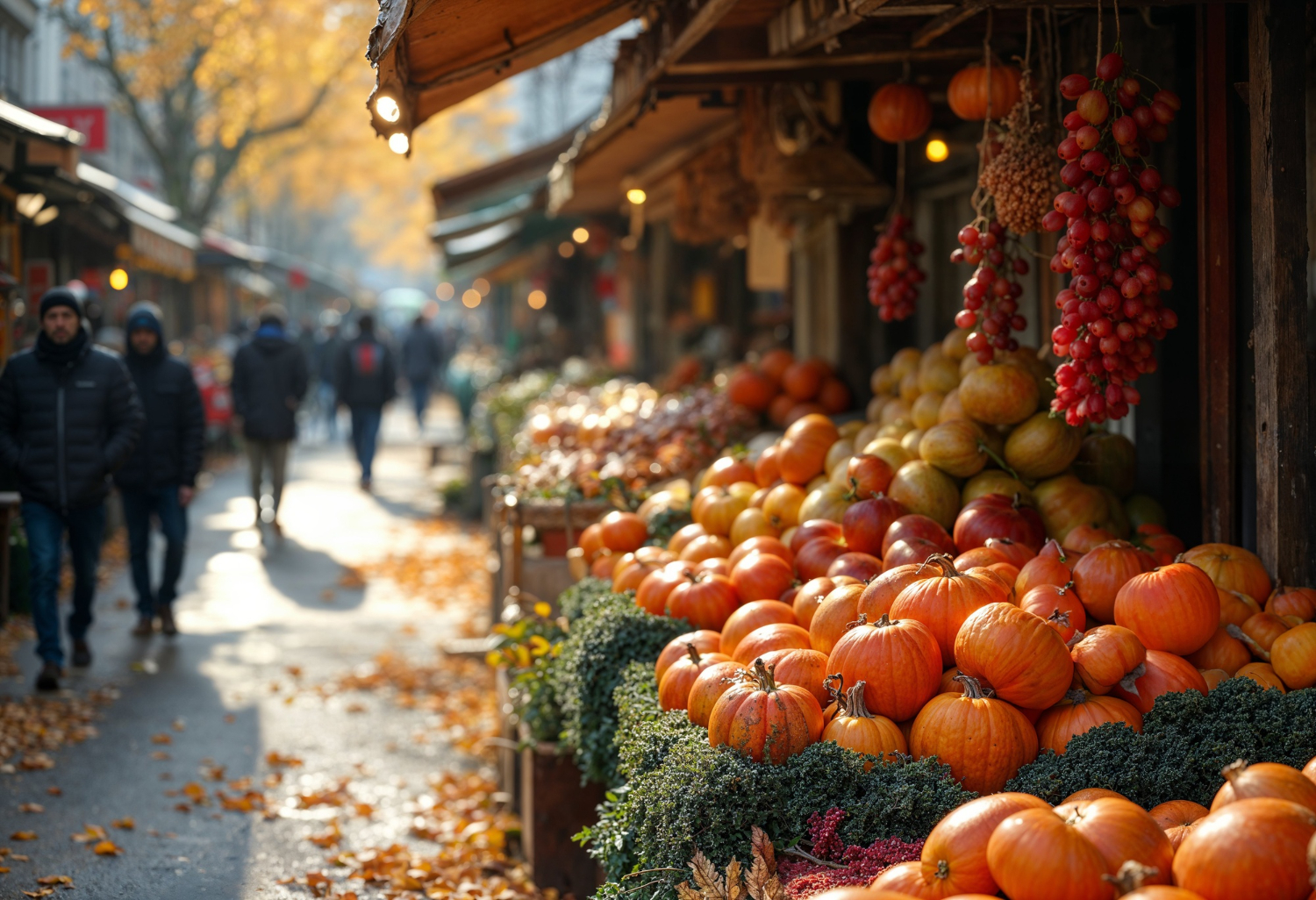
Fresh fruits and vegetables can be one of the most expensive parts of your grocery bill, but they don’t have to be. Shopping for produce that’s in season is one of the easiest ways to save money while also getting better flavor and quality. When you understand what’s in season and how to use it, your meals become both more affordable and more enjoyable.
Why Seasonal Produce Is Cheaper
When fruits and vegetables are in season, they are more abundant. This means stores can offer them at lower prices because supply is high and transportation costs are lower. Out-of-season produce, on the other hand, often has to be shipped long distances or grown in controlled environments, which increases the price.
Buying in season allows you to take advantage of natural growing cycles instead of paying extra for convenience.
Why It Tastes Better
Seasonal produce is picked closer to peak ripeness, which makes a big difference in flavor and texture.
-
Sweeter fruits: Berries and melons are more flavorful when harvested at the right time
-
Crisper vegetables: Fresh greens, peppers, and cucumbers have better texture
-
Richer taste: Tomatoes, corn, and squash develop deeper flavor when grown naturally
When produce is in season, you often need less seasoning or preparation to make it taste great.
What to Buy Each Season
While availability can vary depending on your region, here’s a general guide:
Spring
-
Asparagus
-
Spinach
-
Peas
-
Strawberries
These lighter, fresh items are perfect for salads and simple dishes.
Summer
-
Tomatoes
-
Zucchini
-
Corn
-
Berries
-
Peaches
Summer produce is vibrant and flavorful, making it ideal for grilling, salads, and quick meals.
Fall
-
Apples
-
Squash
-
Sweet potatoes
-
Carrots
These heartier ingredients work well in roasted dishes, soups, and baked recipes.
Winter
-
Citrus fruits
-
Cabbage
-
Potatoes
-
Root vegetables
Winter produce tends to be more durable and great for stews, roasts, and slow-cooked meals.
Shop Smart at the Store or Market
-
Check Weekly Sales: Stores often discount seasonal produce even further
-
Buy in Bulk: If you see a great deal, buy extra and use or preserve it
-
Look for Local Options: Farmers markets and local stands often have fresher, cheaper seasonal items
-
Compare Prices: Seasonal items are usually displayed prominently and priced competitively
Preserve What You Don’t Use
If you buy more than you can use right away, preserving helps you avoid waste.
-
Freeze: Berries, chopped vegetables, and herbs freeze well
-
Store Properly: Keep produce in the right conditions to extend freshness
-
Cook in Batches: Make soups, sauces, or roasted vegetables to use throughout the week
This allows you to enjoy seasonal savings even after peak season ends.
Build Meals Around What’s Available
Instead of planning meals first, try planning around what’s in season.
-
Use fresh vegetables as the base of your meals
-
Add simple proteins and grains to round things out
-
Keep recipes flexible so you can swap ingredients based on availability
This approach keeps your cooking simple, affordable, and full of flavor.
Shopping for seasonal produce is a simple habit that pays off in multiple ways. You spend less, enjoy better-tasting food, and reduce reliance on heavily processed or imported items.
By paying attention to what’s in season, planning meals around it, and preserving extras, you can make the most of your grocery budget while bringing fresh, flavorful ingredients into your kitchen year-round.